


Why buying an existing business beat building from scratch: One first-time entrepreneur’s journey from banking to boutique hotel on Spain’s Costa Blanca

Learn how Hannu Junkkaala and Nanna Wiklund turned a Finnish ex-banker’s dream and a hotelier’s expertise into one of the Costa Blanca’s most beloved boutique hotels — and why buying an existing business can beat building from scratch. Plus, Nanna shares the lessons they’ve learned along the way.
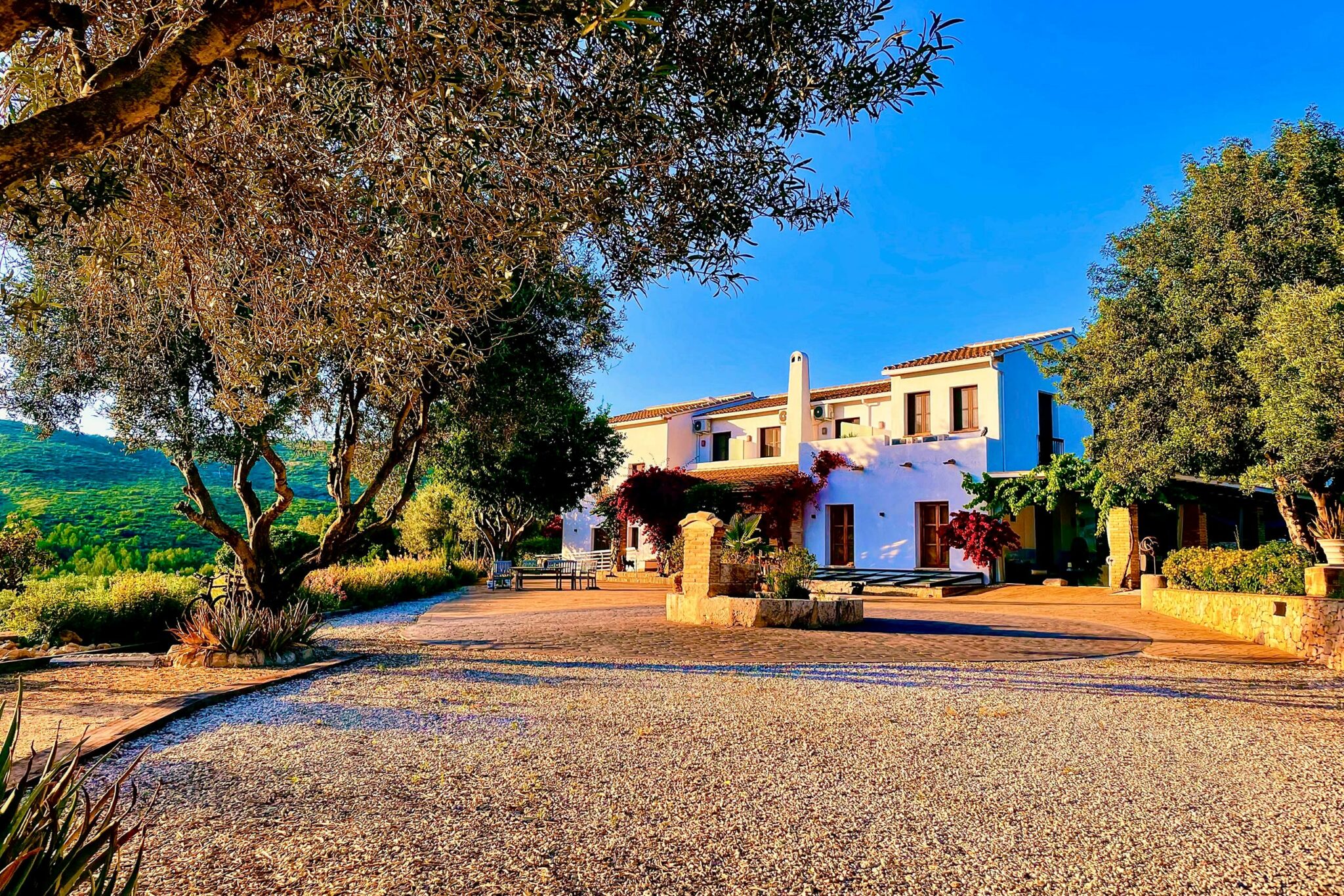
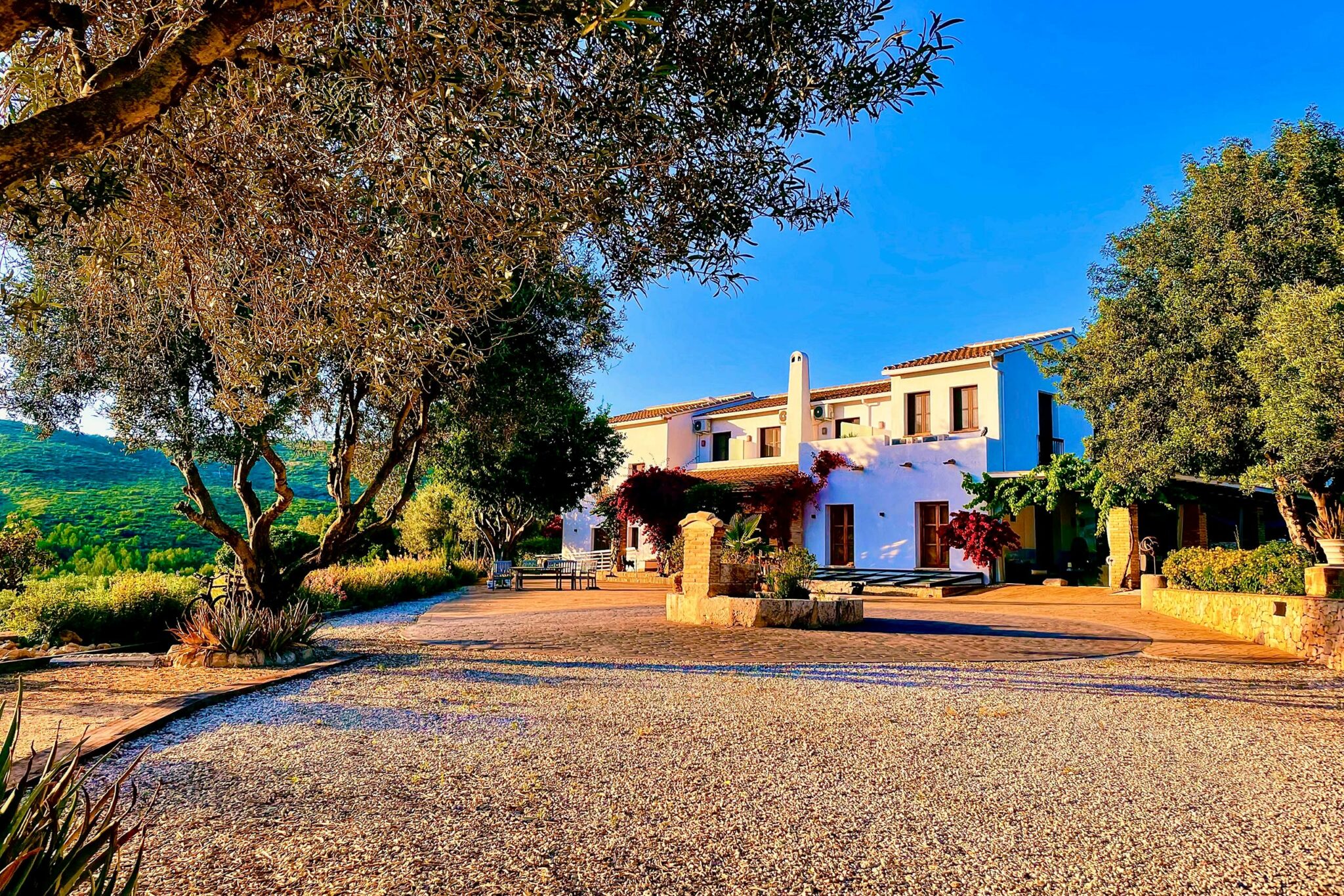
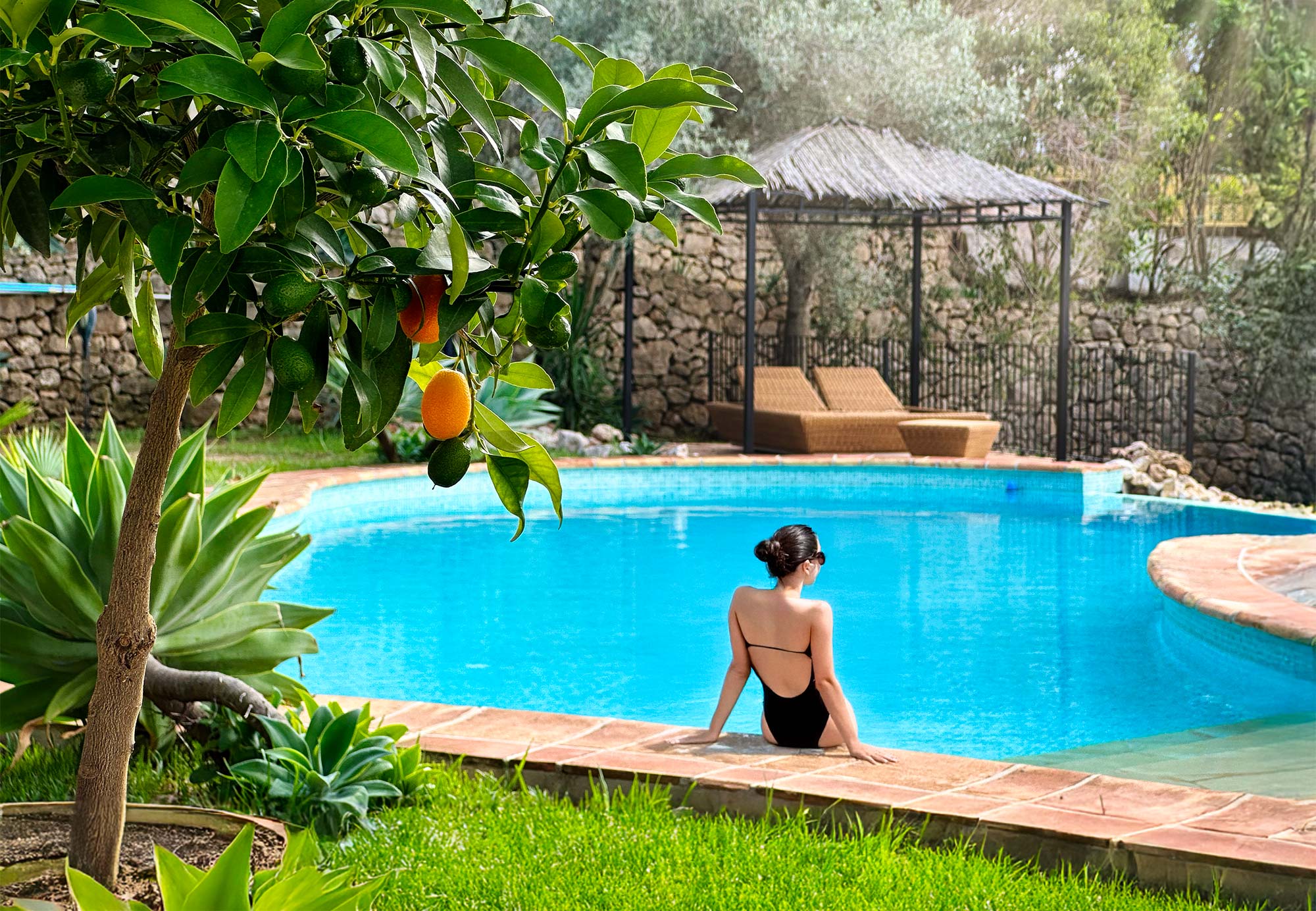
Imagine swapping a career in Finnish banking for an eight-room boutique hotel nestled in the sun-baked hills of Spain’s Costa Blanca — complete with a salt-water pool, a Finnish sauna, a hammam, olive trees in the garden, and the sound of almost nothing at all.
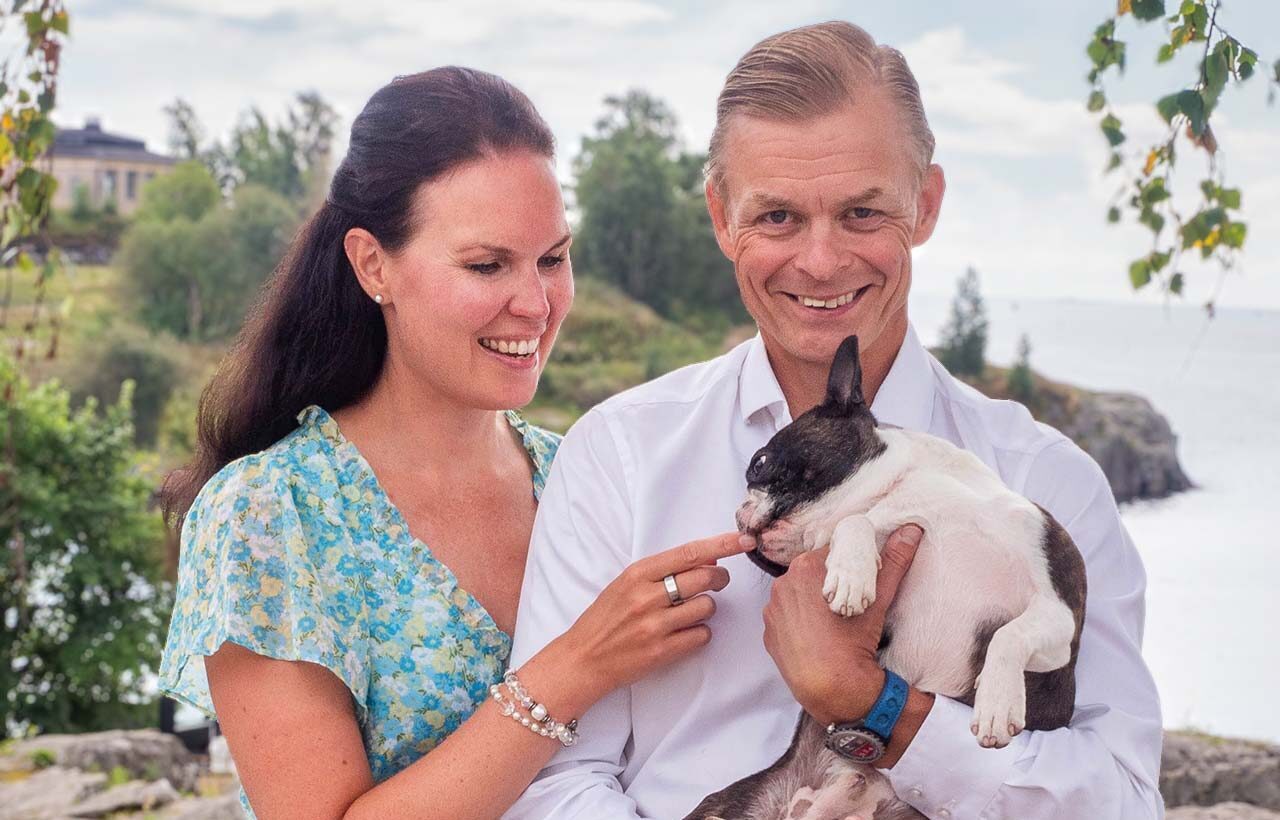
That is exactly what Hannu Junkkaala and Nanna Wiklund did when they opened Castell de la Solana in the village of Alcalalí in October 2024. A little over a year later, they are sitting on a Booking.com score of 9.50 and a calendar filling fast with weddings, cycling retreats, and weekend escapes from as far away as Canada.
The big leap
For entrepreneurs considering a bold career and lifestyle change — whether you’re a solo freelancer fantasising about a side venture or a small business owner ready to go all-in on something new — Nanna and Hannu’s story offers something rarer than simple inspiration: a practical blueprint.
The couple’s path to rural Spain began, of all places, on a bicycle. Both passionate extreme sports enthusiasts, they had spent years travelling from Finland to warmer climates for winter training. Majorca was the obvious dream, but a quick reality check — no year-round direct flights from Helsinki — redirected their search to mainland Spain. The Costa Blanca ticked every box: the same latitude, spectacular cycling roads, Mediterranean light, and a valley culture that welcomed outsiders warmly.
We came one year to train, and it was a very nice experience. Then a few months later we came back already with an intention to find something.
-Nanna Wiklund, so-owner Castell de la Solana
They brought friends along to act as a sober second opinion, determined not to buy on emotion alone. By spring 2024, they were viewing properties, by August, they had made a deal with the Dutch couple who previously owned the hotel, and by October, Castell de la Solana opened under Finnish ownership.
We bought a company, not just a house — and that made all the difference.
-Nanna
The previous owners had run a well-documented operation — every appliance manual filed, every supplier contact recorded — and were happy to support the transition.
“You could always go back to a folder and look for a manual for a washing machine or a dryer. It has been so easy to communicate with them during the transition period,” says Nanna.
Why buying a business in Spain can beat building one
For anyone dreaming of a hospitality venture in Spain, Nanna is emphatic: buying an established, licensed business is a fundamentally different proposition to buying a property and trying to convert it. Spain’s regional governments have tightened regulations around bed-and-breakfast operations in recent years and understanding the licensing process from scratch can be a long and uncertain journey.
Taking over an existing company, instead of buying the property and then applying for a hotel licence — I can just imagine how much more paperwork that would be. Because we bought the company, the transition has been relatively smooth.
The operating licences, the legal status, the established supplier relationships, even the existing staff — all of it transferred. Nanna and Hannu inherited a functioning business on day one.
Since taking over, the couple have refreshed Castell de la Solana’s interiors with Scandinavian-influenced neutral tones that reflect the natural landscape outside, while Nanna has stamped her own values on the experience: honey-sweetened cakes, seasonal fruits, and olive oil pressed from the estate’s own trees. Sustainability is embedded in every detail — from solar panels and eco-friendly linens to farm-to-table breakfasts grown on the grounds.
A cycling & hiking paradise
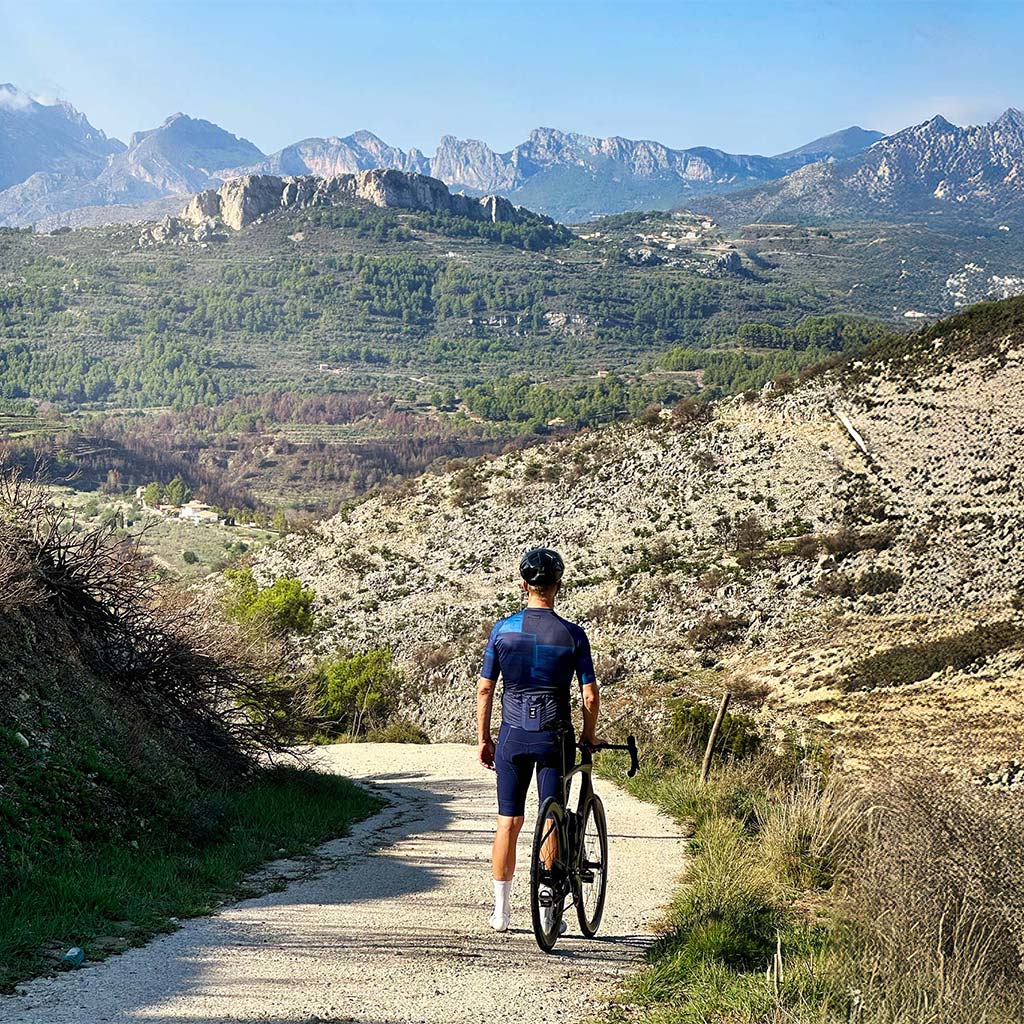
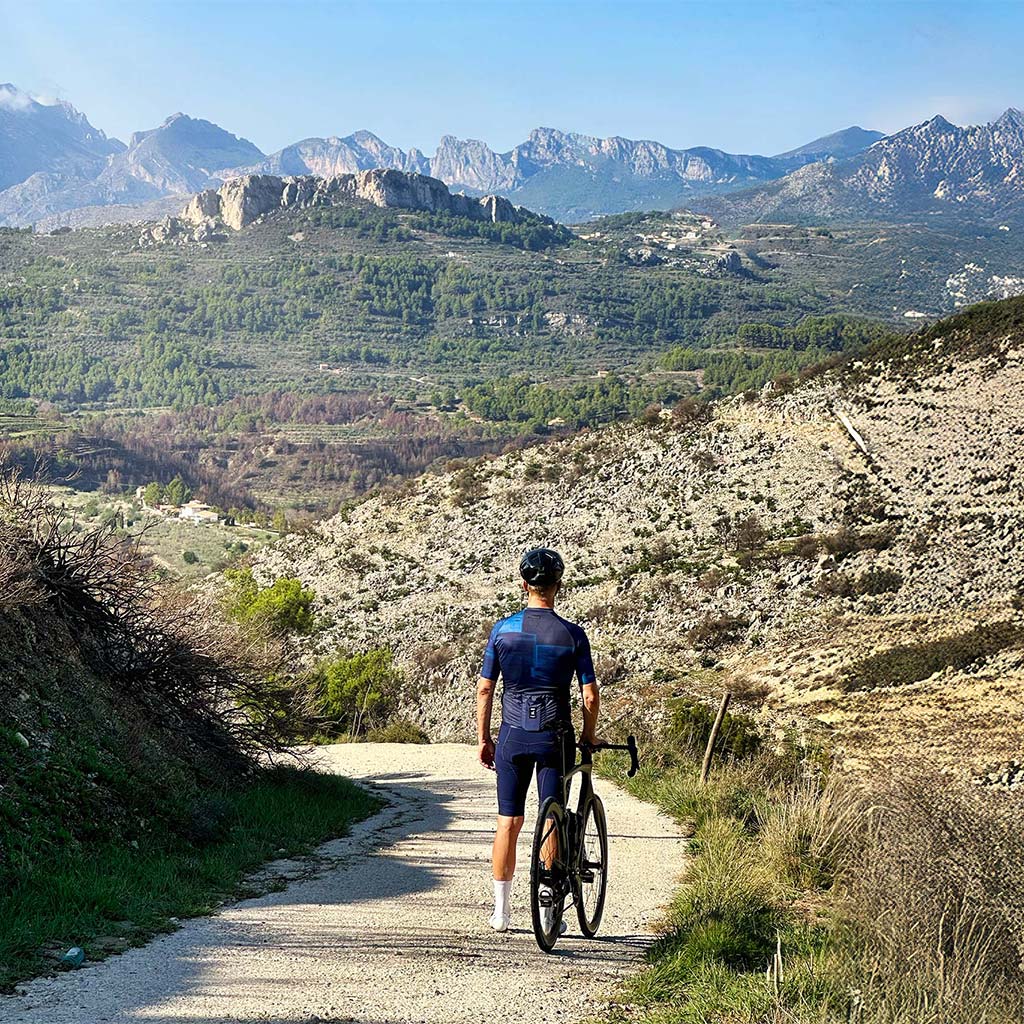
Tucked inland from the Costa Blanca, the Jalón Valley sits at the crossroads of some of Europe’s finest endurance sport terrain. Professional cycling teams — including a French squad who stayed at Castell de la Solana in January 2025 — use the area as a winter training base. Hikers find limestone ridges, orange groves, and ancient mule tracks linking white villages.
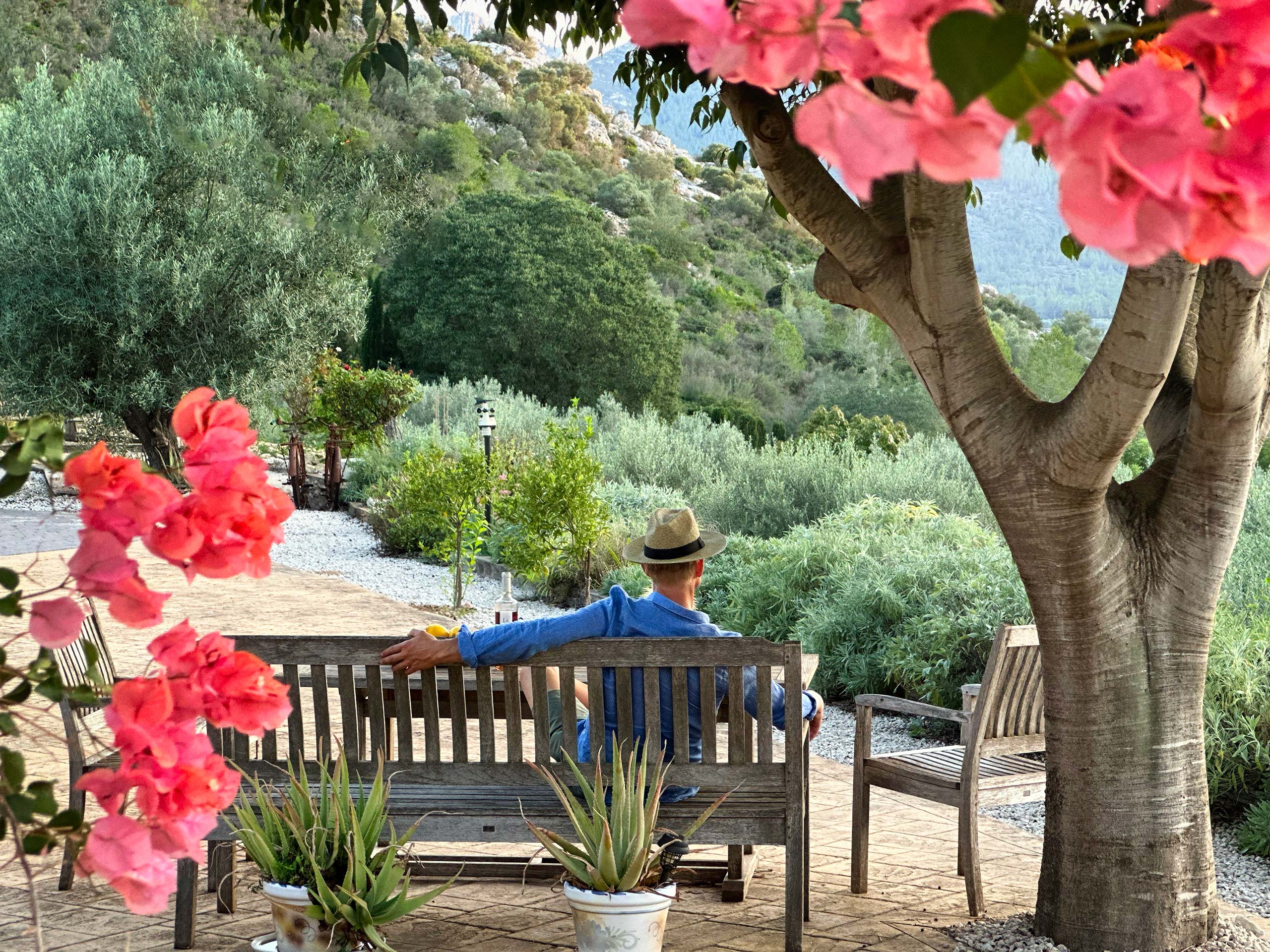
The Jalón Valley is a world-class destination for cyclists, triathletes, and hikers — a key draw for guests at Castell de la Solana. The property is completely private, with no neighbours in sight and only a roosting cockerel to disturb the silence.


Prev
1 of 9
Next
The private one-hectare garden is a key differentiator that no local competitor can match. Guests have been arriving from Canada, the United States, the UK, Scandinavia, and the Benelux — many discovering the hotel through word of mouth in cycling communities.
Eight rooms allow for private-estate-style exclusivity — the property can be booked out in full for up to eighteen guests for weddings, cycling clubs, yoga retreats, or family celebrations. A network of on-call massage therapists, florists, caterers, and wedding planners means almost any guest request can be accommodated at short notice.
Three consecutive wedding weekends are already booked for September 2026, and a weekend brunch series launching this spring will open the hotel to day visitors from surrounding towns for the first time.
Lessons from Nanna & Hannu
Buy the company, not just the building
Acquiring Castell de la Solana as a going concern — with its licences, staff, supplier relationships, and operating history — meant Nanna and Hannu were welcoming guests within weeks of arriving in Spain. In a market with tightening short-term rental regulations, a licensed, trading hotel is a genuinely scarce and valuable asset.
Patience is a competitive advantage
Southern European bureaucracy moves at its own pace. A task list that would take one day in Finland can take a week in Spain. Accept this early, plan for it, and you will avoid the frustration that defeats many foreign entrepreneurs before they have even opened their doors.
Lean into what makes you different
The previous Dutch owners attracted Dutch guests. Nanna and Hannu have drawn Scandinavian visitors who had never previously stayed in the Jalón Valley. Your identity — your networks, your culture, your aesthetic sensibility — is a marketing asset. Use it deliberately and consistently.
Know your worth and price accordingly
Castell de la Solana’s nightly rate is higher than comparable properties in the area — deliberately. The private garden, the silence, the spa that no local competitor can replicate — these justify a premium. Research the market, identify your real differentiators, and have the confidence to back yourself.
Learn the local language before you start your venture
Nanna began intensive Spanish lessons in Finland before the move and continued with a private tutor in Alcalalí. The staff speak no English. Being able to handle government agencies, suppliers, and guests in Spanish has been, she says, “huge” — and earns enormous goodwill from the local Jalón Valley community.
Don’t wait for the perfect moment to start a business
Nanna reveals that the learning curve at Castell de la Solana has been steep. She reminds us like in all business ventures, things break. Take it one thing at a time, stay open-minded, and know that the people around you will very likely surprise you with their warmth.
“The Spanish people have such big hearts. I didn’t know it before — and that has been really wonderful to discover.”
I was in banking — with the safety of knowing I could do it for the next 20 years. But I wanted something else.
What’s next for Nanna and Hannu?
Looking ahead, year two at Castell de la Solana is the year of visibility with targeted campaigns aimed at cyclists and couples planning weddings.
Nanna and Hannu are also exploring a creative solution to the only gap in their offer — no on-site restaurant. Their current thinking? A freelance chef who needs a professional kitchen could share the Castell de la Solana space while cooking for guests. It is the kind of lateral, collaborative solution that feels very on-brand for a team that figured out boutique hospitality entirely on their own terms.
As for what comes after, a second property, perhaps, when Hannu’s restless entrepreneurial energy needs a new challenge, the story of Castell de la Solana is still being written. For now, there are three September weddings to prepare for, a spring brunch series to launch and a Jalón Valley full of cycling roads and hiking paths yet to be explored.
Explore the hotel’s website for more images of the spa, kitchen, meeting areas and the surrounding area.
The hotel is adults-only. However, private family gatherings are welcome and can be arranged with the full booking of all rooms.
CASTELL DE LA SOLANA
Partida la Coma 326, 03728 Alcalalí, Alicante, Spain
info@castelldelasolana.es · +34 627 928 554
